Blog Standard

AI in Digital Marketing – Beyond the Buzzwords
Artificial Intelligence has moved far beyond being a trendy buzzword in the digital world. Today, it plays a critical role in how businesses understand, engage, and retain their customers. From analysing user behaviour to optimizing campaigns in real time, AI has become an essential part of modern digital marketing strategies, quietly powering smarter and more effective brand communication.
One of the most valuable contributions of AI in digital marketing is its ability to generate deep customer insights. Advanced AI tools process vast amounts of data from multiple channels to identify patterns, preferences, and purchasing behavior. This allows marketers to predict customer needs, segment audiences accurately, and deliver the right message at the most impactful moment.
Personalization is another area where AI truly shines. Technologies such as recommendation systems, AI-powered chatbots, and dynamic website content enable brands to deliver highly tailored experiences. Instead of generic messaging, customers receive content, product suggestions, and responses that match their interests and intent, making interactions more relevant and engaging.
AI also significantly improves operational efficiency. Automated ad bidding, smart budget allocation, and AI-driven SEO tools help marketers optimize performance without constant manual intervention. These systems continuously analyse results and make data-backed adjustments, saving time while increasing return on investment. As a result, marketing teams can focus more on strategy and creativity rather than repetitive tasks.
AI is not here to replace human creativity—it is here to enhance it. When machine intelligence is combined with human insight and imagination, marketers can design campaigns that are innovative, personalized, and results-driven. Businesses that embrace AI today are better equipped to stay competitive, connect meaningfully with audiences, and drive sustainable growth in an ever-evolving digital landscape.
Authored by: Farha Eranchikkal, Digital Marketing Consultant in Jeddah

The Power of Micro-Influencers in Modern Marketing
The marketing landscape has shifted dramatically from celebrity-driven endorsements to more relatable, community-focused voices. While celebrities once dominated brand promotions, today micro-influencers are emerging as powerful drivers of consumer trust and engagement. These individuals may have smaller follower counts, but their close connection with their audience allows them to influence purchasing decisions in a far more meaningful way.
One of the strongest advantages of micro-influencers is authenticity. Their content often feels genuine and unscripted, built on personal experiences rather than overly polished promotions. Because followers view them as peers rather than distant celebrities, their recommendations carry more credibility. This trust plays a major role in shaping buying decisions, especially in an era where consumers value transparency.
Another key benefit is higher engagement. Micro-influencers tend to have loyal audiences who actively like, comment, and share content. This deeper interaction leads to stronger brand awareness and improved conversion rates, as messages are not lost in a sea of passive followers. Instead of broad exposure, brands gain meaningful visibility among people who are genuinely interested.
Cost-effectiveness further strengthens the appeal of micro-influencer marketing. Partnering with celebrities often requires large budgets, making it impractical for startups or small businesses. Micro-influencers, on the other hand, offer affordable collaboration opportunities while delivering measurable results. This makes them especially valuable for local brands aiming to maximize return on investment.
For businesses in Riyadh and beyond, micro-influencers present a powerful way to connect with niche communities and local audiences. Success in modern marketing is no longer about reaching the largest crowd—it’s about engaging the right audience with the right message. Micro-influencers make that connection possible, driving trust, engagement, and long-term brand growth.
Authored by: Farha Eranchikkal, Digital Marketing Consultant in Jeddah
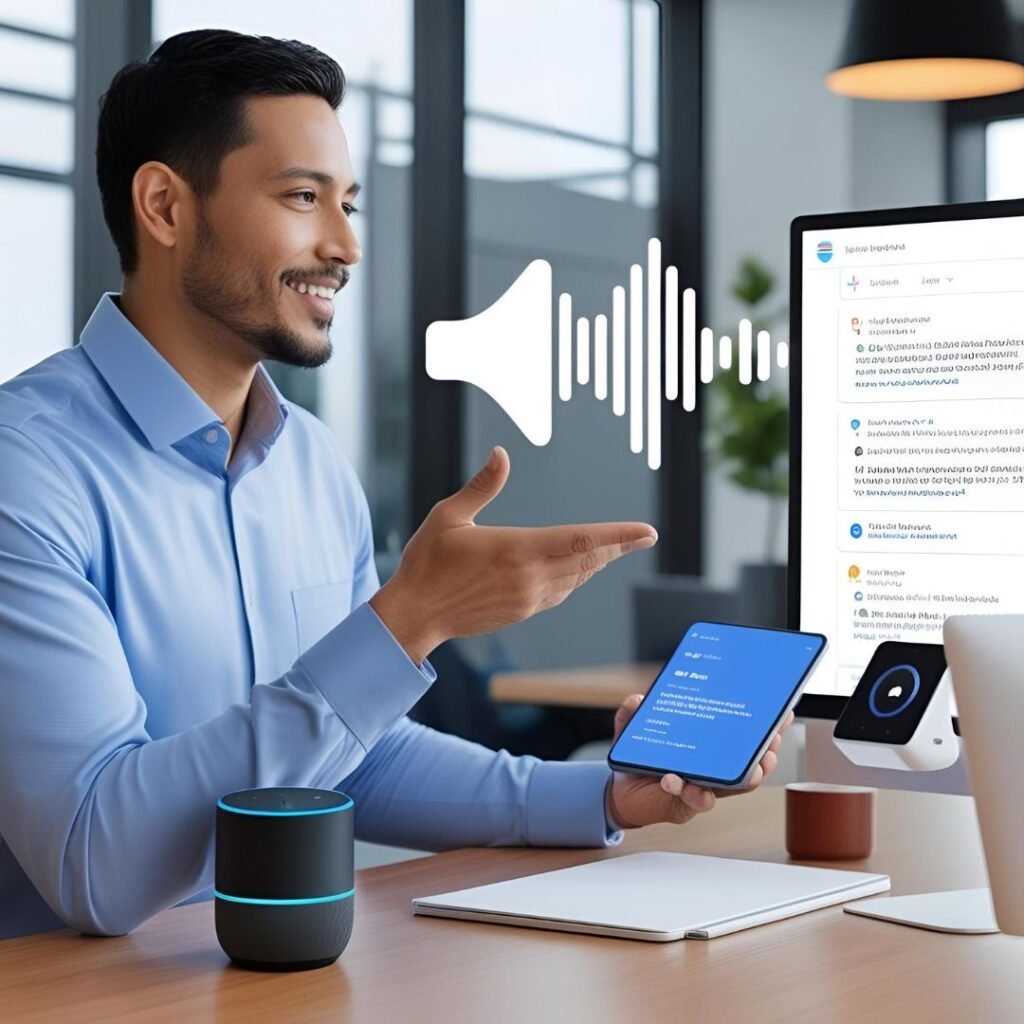
Voice Search Optimization – The Next SEO Frontier
The rapid adoption of smart speakers and voice-enabled assistants like Google Assistant, Alexa, and Siri has transformed how users interact with search engines. Instead of typing short keyword phrases, people are increasingly relying on voice commands to find information, products, and services. This shift toward hands-free, conversational search is redefining traditional SEO practices and pushing businesses to rethink their digital strategies.
One of the most significant changes driven by voice search is the rise of conversational queries. Voice searches are typically longer, more natural, and framed as complete questions. For example, instead of typing “best digital marketing agency,” users might ask, “Which is the best digital marketing agency near me?” To stay relevant, marketers must focus on natural language, question-based content, and clear, concise answers that align with how people actually speak.
Voice search has also amplified the importance of local SEO. A large percentage of voice queries are location-specific, often including phrases like “near me,” “closest,” or “open now.” This makes it essential for businesses to optimize Google Business Profiles, local keywords, and location-based content to capture high-intent local searches and attract nearby customers.
Additionally, voice search is closely tied to mobile usage. As smartphones continue to dominate daily internet access, voice search perfectly supports the fast-paced, on-the-go lifestyle of modern users. Optimizing for mobile responsiveness, page speed, and structured data becomes crucial to ensure content is easily accessible and voice-search friendly
Voice search optimization is not a passing trend—it represents the future of SEO. Businesses that adapt early by embracing conversational content, strengthening local SEO, and prioritizing mobile optimization will gain a competitive edge. By aligning with evolving search behaviours, brands can improve visibility, enhance user experience, and secure stronger positions in both local and global search results.
Authored by: Farha Eranchikkal, Digital Marketing Consultant in Jeddah